Color Computer
Color
Computer
How a clever darkroom innovation helped me achieve consistent color prints—and opened new possibilities in photography.
Explore This ChapterA Practical Solution
at the QA Lab
My job in the quality assurance lab was fairly tedious. Working the evening shift gave me days to pursue other interests, including establishing myself as a photographer and fine-art printer.
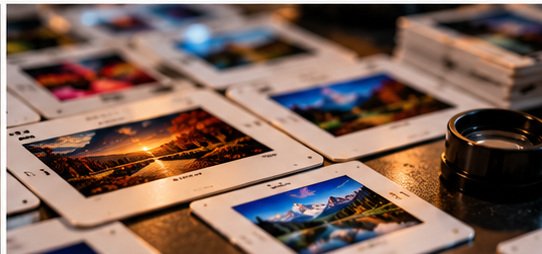
I photographed mostly on slide film—both Ektachrome and Kodachrome—and began making prints from my slides on Kodak materials. I also experimented with Ilford’s Cibachrome process, whose brilliant results made the effort worthwhile despite its cost and hazardous chemistry.
Color printing could be difficult to repeat. Enlarger lamps aged, color filters drifted, and getting an accurate print sometimes meant starting over.
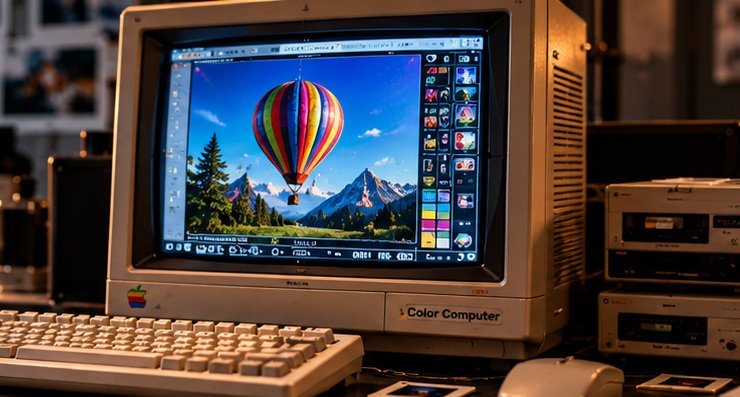
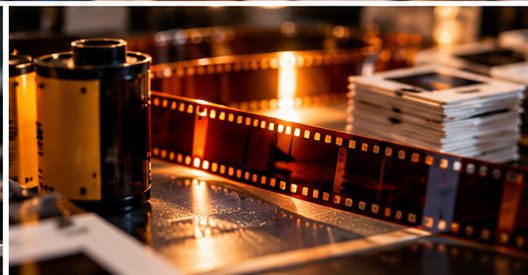
The Color Computer
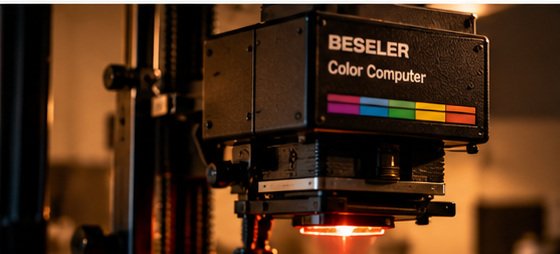
Enlarger Head
Beseler offered a solution: the Color Computer Enlarger Head. Photodiode sensors in its light-mixing chamber measured the amounts of cyan, magenta and yellow light and displayed readings from 0 to 255 (8 bits).
This made it possible to correct for lamp and color-filter drift and produce more repeatable, accurate Cibachrome prints. Mounted on my Durst 4×5 enlarger, it became my first “computer.”
Working with the Color Computer
From precise measurements to better prints, the experience deepened my interest in photography and technology.
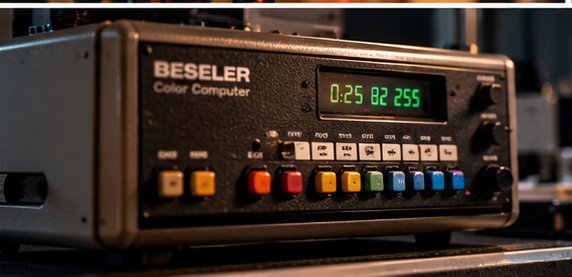
Precise Measurements
8-bit digital readings for more reliable color correction.
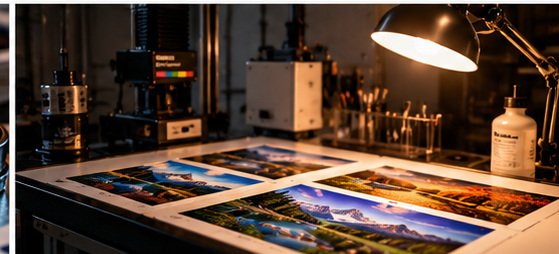
Consistent Prints
Improving repeatability in the printing process.
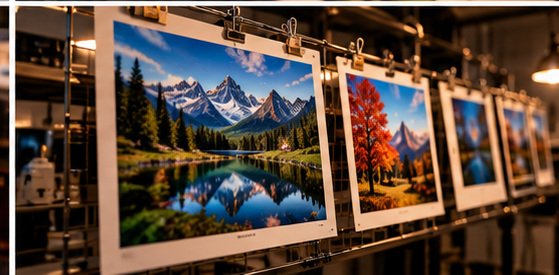
Creative Possibilities
Exploring color photography and fine-art printing.