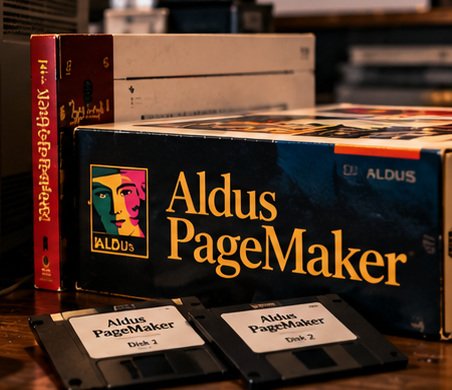
Aldus Pagemaker
Aldus
PageMaker
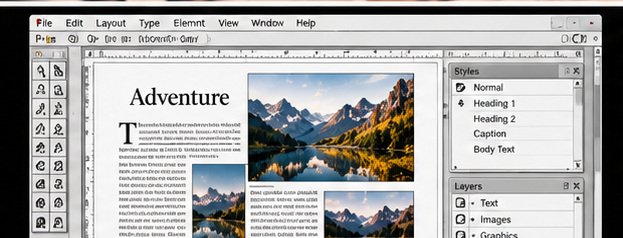
In 1986, desktop publishing became a reality, creating new opportunities to combine typography, images and graphics.
Explore This Chapter →A New Desktop Publishing Era
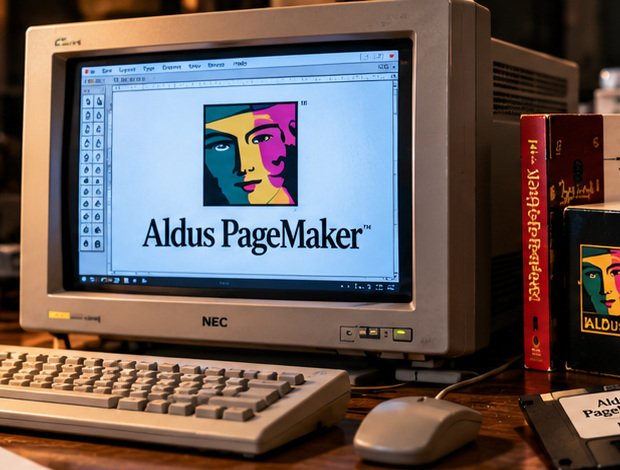
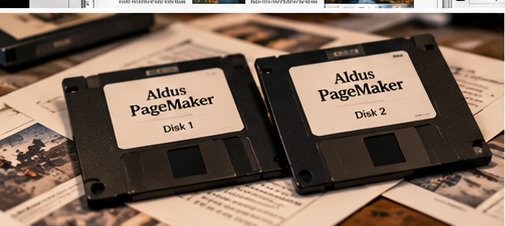
In 1986, Aldus released PageMaker 1.0 software. This meant desktop publishing was becoming a reality. I was already doing it using multiple drawing and writing software tools, but now it had a name and specific software for combining type, images and graphics.
This was a huge opportunity for Kodak, or so I thought. There was going to be a need for ways to get images onto pages—from scanners at first, eventually digital cameras, digital storage, digital transmission and digital output devices, all potentially from Kodak.

Bringing Publishing to Kodak
I determined to learn this new software and use it to introduce Kodak to desktop publishing. In the mid-1980s, Kodak relied mostly on pen-and-pencil documentation—sometimes in triplicate—for proposals, timelines, protocols and requirements documents.
Although the team had a secretary, they might be typing. I wanted better ways to create and digitize photographs and combine them with documentation.
Exploring Digital Tools
The only thing I was missing was some tools to create or digitize photos, other than my ThunderScanner. My supervisor gave me a budget to spend on new digital equipment, so I started ordering video digitizers and early scanners to play with.
I was hoping for better drawing tools besides MacPaint and MacDraw. I would eventually be given a small room for my own lab space.